
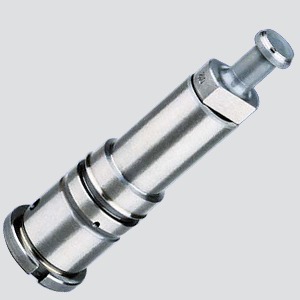
What Does a Diesel Fuel Pump Plunger Consist Of?
The fuel pump plunger is a vital component of the diesel fuel injection system.
Its main function is to generate extremely high pressure to deliver the right amount of fuel into the combustion chamber through the injectors.
The plunger operates inside a precisely machined barrel, and its reciprocating motion determines the quantity and timing of the injected fuel.
Main Components of a Fuel Pump Plunger
1. Plunger:
The cylindrical moving part that compresses the fuel.
It moves up and down by the action of a cam on the camshaft.
Made from hardened steel to resist high pressure and wear.
2. Barrel:
The sleeve or cylinder that houses the plunger.
Manufactured with extreme precision to ensure tight sealing and prevent fuel leakage.
3. Inlet Valve:
Allow fuel to enter the pressure chamber when the plunger moves downward.
Closes automatically during the upward stroke to trap fuel for compression.
4. Delivery Valve:
Opens when pressure reaches a set level, allowing fuel to flow toward the injector line.
Close immediately to prevent backflow.
5. Valve Springs:
Return the inlet and delivery valves to their closed positions.
Made from high-tensile spring steel.
6. Cam and Tappet Mechanism:
The camshaft controls the timing and stroke of the plunger according to engine operation.
Materials and Surface Finish
All components are made of high-grade alloy steel with heat treatment and precision lapping to ensure long life, corrosion resistance, and accurate fuel delivery.
Conclusion
The accuracy of the plunger and barrel assembly directly affects engine efficiency.
Any wear or loss of sealing can cause pressure loss, poor fuel atomization, and increased fuel consumption.