
The Role of Modern Technology in Enhancing Diesel Engine Efficiency
Diesel engines have undergone significant advancements in recent years due to the rapid growth of modern technology. These innovations have improved efficiency, reduced fuel consumption, and minimized harmful emissions. As industries, generators, and heavy-duty vehicles continue to rely on diesel, technological development has become essential for maximizing performance and reliability.
1. Electronic Fuel Injection (Common Rail Systems)
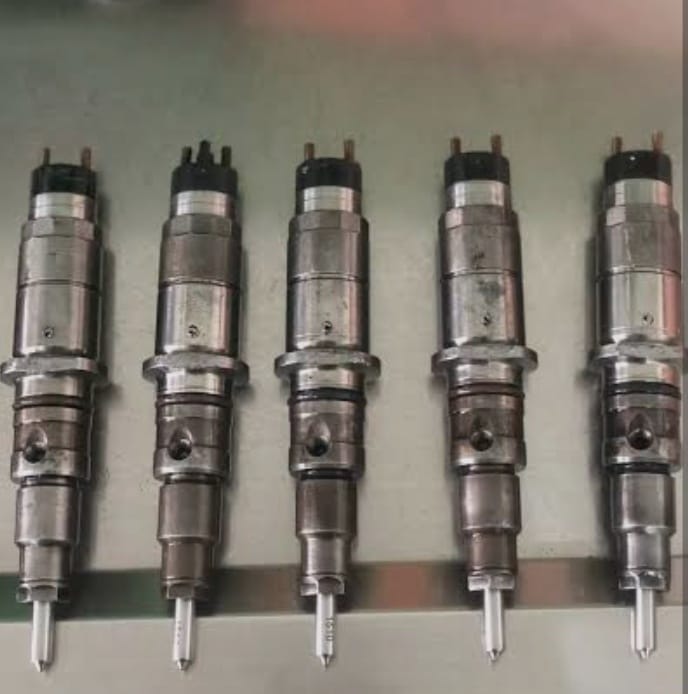
One of the most important advancements is the common rail injection system, which provides higher injection pressure and precise control over fuel quantity and timing.
Its benefits include:
Cleaner and more efficient combustion
Reduced fuel consumption
Improved performance at different engine speeds
2. Turbochargers and VGT Technology
Modern diesel engines now use Variable Geometry Turbochargers (VGT), which adjust the turbo vanes according to engine load and speed. This leads to:
Greater power at low RPM
Faster throttle response
Reduction of black smoke
3. Engine Control Units (ECU)
The ECU plays a vital role in managing all engine operations. It optimizes:
Fuel injection quantity
Ignition timing
Turbocharger efficiency
Emissions control
4. Advanced Manufacturing Materials
Using advanced alloys and heat-resistant materials has enabled:
Longer engine life
Reduced friction
Better tolerance to high temperatures and pressures
5. Emission Control Technologies
Technologies such as DPF, SCR, and EGR work together to
Reduce nitrogen oxides
Burn particulate matter
Improve exhaust cleanliness and meet global emission standards
Conclusion
Modern technology has made diesel engines not only more powerful but also more efficient, fuel-saving, and environmentally friendly. As development continues, diesel engines are expected to rely even more on smart systems and precise electronic control