
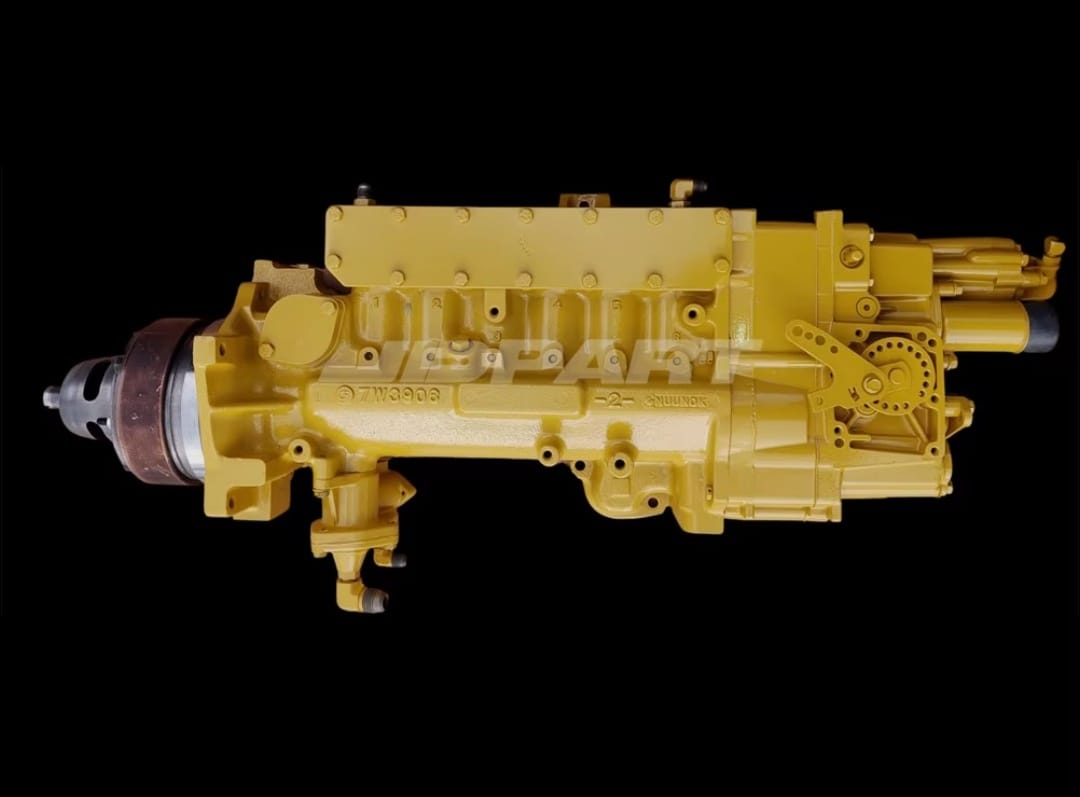
The Difference Between Preventive Maintenance and Breakdown Maintenance for Diesel Injection Pumps… and Which Is More Cost-Effective?
Diesel injection pumps are critical components in any diesel engine. Any malfunction directly affects the performance of the generator or equipment. This raises an important question:
Is preventive maintenance better, or should you wait until a failure occurs?
1. Preventive (Scheduled) Maintenance
What is it?
A set of regular inspections and tests performed every 250–500 operating hours to ensure the pump is working efficiently.
Advantages
1. Prevents major failures before they happen
Early detection of worn plungers, low pressure, solenoid failures, etc.
2. Extends the lifespan of the pump and the entire engine
Proper fuel delivery reduces stress on cylinders and pistons.
3. Improves fuel efficiency
A healthy pump can reduce diesel consumption by 10–15%.
4. Eliminates unexpected downtime
Especially important in construction sites, hospitals, and industrial operations.
Disadvantages
Requires regular cost, but it is much lower than failure repair costs.
2. Breakdown (Reactive) Maintenance
What is it?
Fixing the pump only after a failure happens, such as a complete shutdown, black smoke, loss of power, diesel leakage, or plunger breakage.
Advantages
No need for a fixed maintenance schedule.
Disadvantages
1. Much higher repair cost
Repairs or replacements can cost 5 times more than preventive maintenance.
2. Operational downtime and financial losses
Each hour of downtime can cost businesses thousands.
3. Possible damage to other engine components
Such as pistons, rings, injectors, or turbo.
4. Higher fuel consumption
Due to poor injection performance before the failure.
Which One Is More Cost-Effective?
Clearly, preventive maintenance is 60–70% cheaper than breakdown maintenance.
It prevents major damage, reduces fuel consumption, and extends engine and pump lifespan.