
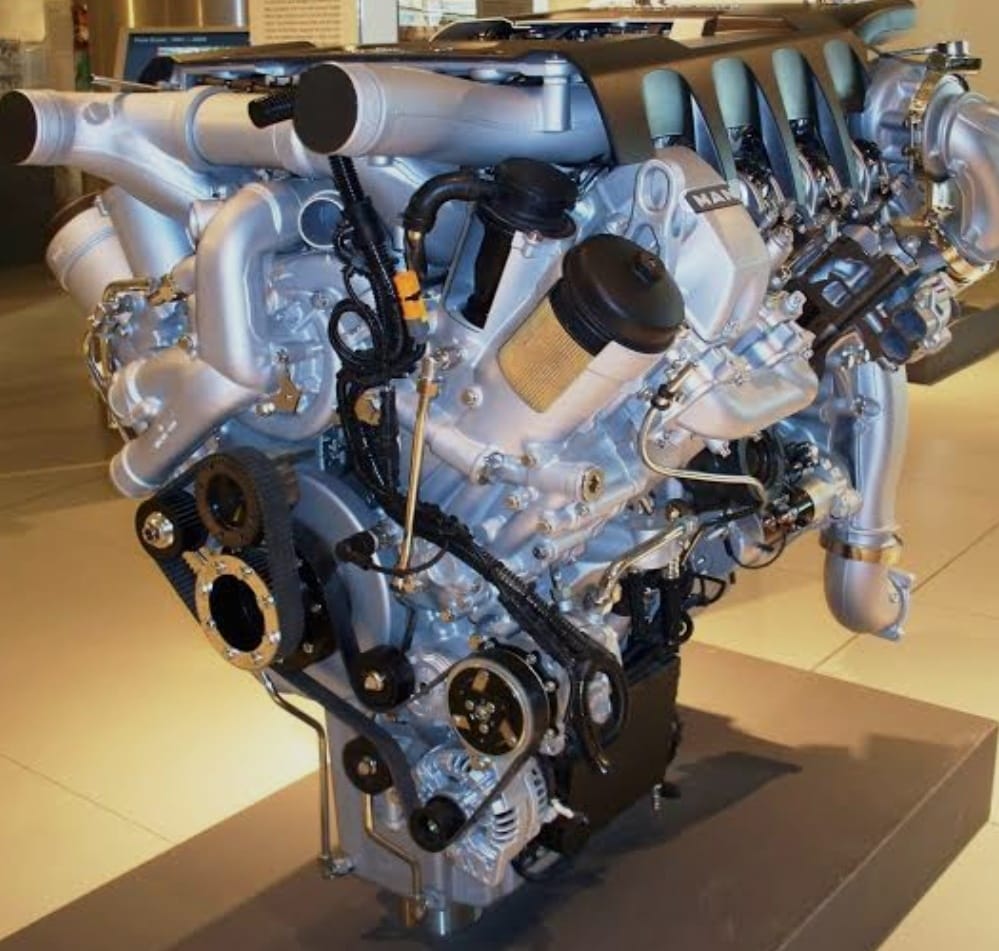
In recent years, the diesel engine industry has witnessed a major transformation in the way engines are maintained. The traditional concept of preventive maintenance has evolved significantly due to technological advancements, data analytics, and artificial intelligence.
1. From Time-Based to Predictive Maintenance
Previously, preventive maintenance depended on fixed schedules based on operating hours or mileage. However, this method did not always guarantee effective protection. Today, the world is shifting toward predictive maintenance, which relies on continuous data from sensors and real-time analysis to detect issues before they occur.
2. The Role of Modern Technologies
Internet of Things (IoT): Provides continuous monitoring of engine parameters such as temperature, oil pressure, fuel quality, and generator load.
Artificial Intelligence (AI): Analyses large datasets and detects early warning patterns.
Cloud Systems: Allow companies to monitor entire fleets across multiple locations.
These technologies have made maintenance more accurate, cost-effective, and safer.
3. Reduced Costs & Extended Engine Life
The evolution of preventive maintenance has led to:
- Significant reduction in unexpected breakdowns.
- Longer lifespan for components such as injectors, fuel pumps, and filters.
- Improved fuel efficiency.
- Reduced operational downtime, saving companies thousands of dollars.
4. Smart Preventive Maintenance in Global Companies
Leading manufacturers such as Caterpillar, Volvo, Kubota, and Mitsubishi now rely on intelligent monitoring systems and data-analysis centres to predict failures long before technicians notice any symptoms.
5. The Future: Self-Diagnosing Diesel Engines
The future is moving toward engines capable of:
- Sending automated alerts.
- Delivering instant diagnostic reports.
- Identifying required spare parts before a failure happens.
- This means traditional maintenance methods will eventually become obsolete.