
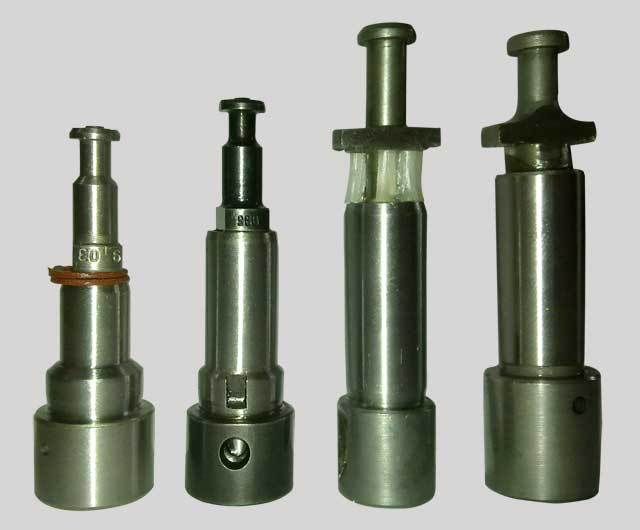
Fuel pump plungers — sometimes referred to simply as pump pistons — are an essential part of the fuel-injection system in diesel engines. Their main function is to generate high pressure to accurately deliver fuel into the combustion chambers at the correct timing, ensuring strong performance and fuel-efficient engine operation.
1. Function of the Fuel Pump Plunger
The plunger converts the mechanical energy generated by the rotation of the camshaft into hydraulic pressure that pushes fuel through the injection lines to the injectors (nozzles).
This pressure must be highly precise so that the injected fuel quantity matches the engine’s varying speeds and loads.
2. Types of Fuel Pump Plungers
The types of diesel injection-pump plungers and the role each plays in the injection system:
Plungers are among the most important components controlling the pressure and timing of fuel delivery into the engine. Engine performance and efficiency depend greatly on the plunger’s quality, type, and design, as it draws in, compresses, and delivers an accurately measured amount of diesel to each cylinder at the right moment. The main types include:
1️-Standard Plunger
Used in conventional inline pumps.
Advantages:
- Simple design and easy maintenance
- Suitable for medium-power engines
- Withstands harsh operating conditions
Disadvantages:
- Lower efficiency than modern types
- Higher fuel consumption compared with electronic injection systems
2️-Helix Plunger
Has a precisely machined helical groove that helps control the injected fuel quantity.
Advantages:
- High accuracy in timing and fuel-delivery control
- Performs well in engines requiring high precision
Applications: - Inline pumps
- Heavy equipment engines and loaders
3️-Variable-Control Plunger
Used in advanced systems where changing the plunger’s rotation angle controls fuel quantity.
Advantages:
- Higher efficiency and fuel savings
- Better response to load and speed changes
Applications: - Modern truck engines
- Mechanically-electronic controlled injection pumps
4️-Two-Stage Plunger
Features two pressure stages for greater accuracy and efficiency.
Advantages:
- Provides a pre-injection phase that reduces engine knock and noise
- Lowers harmful emissions
5️-Common-Rail Plungers
Used in advanced common-rail systems.
Advantages:
- Very high pressure (up to 1800 bar or more)
- Cleaner combustion and lower fuel consumption
- Delivers strong overall engine performance
Importance of Choosing the Right Plunger
The plunger type directly affects:
- Engine power
- Fuel consumption
- Engine speed stability (prevents hunting)
- Smoke and emissions reduction
3. Materials and Design
Plungers are typically made from hardened steel or carbon steel with special heat-treatment processes to resist friction and wear. Internal surfaces are machined with micrometric precision to ensure tight sealing and prevent fuel leakage.